
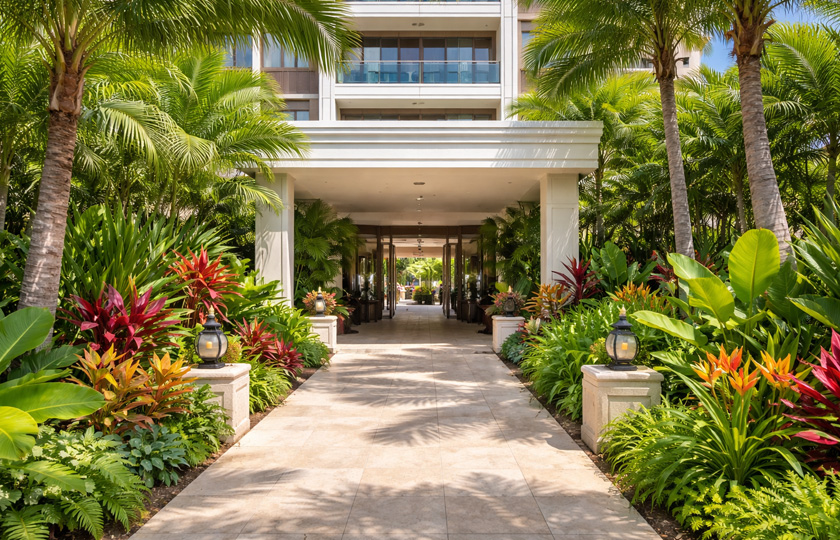
Retirement living has become an increasingly attractive option for Australians who want to enjoy their later years in a comfortable, manageable home, with opportunities for recreation, social connection and greater freedom from everyday property maintenance. Modern retirement communities can offer everything from private villas surrounded by landscaped gardens to luxury apartments with resort-style facilities.
For many people, the appeal is straightforward. A smaller home can be easier to maintain, shared facilities can provide opportunities to stay active, and living among people at a similar stage of life can create a welcoming community. Retirement living can also offer a practical alternative to maintaining a large family home that no longer suits its owners’ needs.
Choosing where to live in retirement deserves careful consideration, however, because the range of accommodation, ownership arrangements and ongoing commitments is considerably broader than it first appears. Two communities may look almost identical, with comparable homes, gardens and recreational facilities, while operating under entirely different legal and financial arrangements.
Understanding those differences is especially important in Queensland, where retirement villages and manufactured home communities are governed by separate legislation. The type of arrangement determines what residents own, which charges apply, how a home can be sold and what happens when circumstances change.
A well-informed decision considers the property, the community, the location and the contractual arrangements together. Taking the time to examine each of these areas allows prospective residents to choose a home that supports the lifestyle they want while providing clarity about their rights and responsibilities.
Choosing a Retirement Lifestyle That Suits You
Before inspecting retirement communities, it is worth considering what retirement is expected to look like on an ordinary day. A person who enjoys gardening, entertaining and spending time at home may have different priorities from someone who travels frequently, enjoys organised social activities or wants to live within walking distance of shops and cafes.
Some retirement communities provide an extensive calendar of activities, including exercise classes, walking groups, social gatherings, craft workshops, dining events and organised excursions. Others emphasise privacy and independent living, with shared facilities available whenever residents choose to use them.
There is considerable variety in the properties themselves. Accommodation can include detached villas, duplex-style homes, townhouses, apartments and serviced units. Some developments resemble established suburban neighbourhoods, while others have a more contemporary resort atmosphere.
Retirement also presents an opportunity to reconsider the size and layout of a home. Moving from a large house to a thoughtfully designed villa may reduce household maintenance while retaining room for visitors, hobbies and entertaining. Alternatively, a well-located apartment may provide a convenient base for someone who enjoys travelling or spending time away from home.
It is equally reasonable to remain in an existing home, move to a smaller conventional property or rent privately. Comparing these possibilities with retirement village living helps establish whether a specialised retirement community offers meaningful advantages for the individual.
The most useful starting point is an understanding of personal preferences, existing routines, relationships and the level of independence a resident wishes to maintain. These considerations will influence almost every subsequent decision.
Understanding the Different Types of Retirement Accommodation
The term retirement living covers several different types of housing. Understanding how they operate makes it easier to compare properties accurately and assess which arrangement suits a prospective resident.
Retirement villages generally provide accommodation for older people who can live independently, sometimes with optional services available. Residents occupy private homes or units and may have access to communal facilities such as swimming pools, libraries, clubhouses, dining areas, gardens and recreational spaces. Some villages also offer serviced accommodation with additional assistance.
In Queensland, registered retirement villages operate under the Retirement Villages Act 1999. Residents commonly acquire a contractual right to occupy their accommodation, although some villages offer freehold or other ownership arrangements. The residence contract governs the arrangement, including the resident’s rights, fees and departure arrangements.
Over-50s lifestyle communities and land lease communities can provide a similar lifestyle, frequently with contemporary detached homes and extensive recreational facilities. In a typical Queensland manufactured home residential park, residents purchase the home itself and enter into a site agreement to occupy the land beneath it. They pay ongoing site rent to the park owner. These communities operate under the Manufactured Homes (Residential Parks) Act 2003.
Conventional homes, townhouses and apartments are another option. Buyers may prefer to purchase a smaller property with ordinary freehold or community title ownership, outside a dedicated retirement development. This can provide greater flexibility over future resale, occupation and use, subject to the usual property laws and any applicable development rules.
Residential aged care is a separate form of accommodation designed for people who require more substantial personal or nursing care. Retirement villages are primarily intended for independent living, although residents may be able to receive assistance in their homes and some developments have aged care accommodation nearby.
Marketing terminology alone does not establish which legal arrangement applies. Expressions such as lifestyle resort, retirement community, seniors living and over-50s village may describe the atmosphere or intended residents without identifying the underlying ownership structure. The relevant contracts and disclosure documents provide that information.
Understanding What You Are Actually Purchasing
One of the most important aspects of retirement living is the legal interest a resident receives in exchange for their initial payment. In an ordinary residential property purchase, buyers are generally familiar with acquiring ownership of land, a house or an apartment. Retirement living can involve a different arrangement.
Many retirement village residents enter into a lease, licence or other residence arrangement that gives them the right to occupy a particular unit and enjoy the village facilities. The resident may pay an ingoing contribution without acquiring conventional ownership of the property itself.
Other retirement villages offer freehold or strata-style ownership, sometimes with additional restrictions governing occupation and resale. The existence of a registered title does not necessarily mean the property can be used or sold in the same way as an ordinary suburban home.
Buyers should establish whether they are acquiring ownership, a contractual right of residence or another interest. The arrangement can affect resale rights, entitlement to capital growth, borrowing arrangements, estate planning and the treatment of the accommodation when the resident leaves.
These distinctions also influence responsibilities for repairs, improvements and insurance. A resident may have considerable freedom to furnish and decorate their home while needing approval for structural alterations, external additions or changes to shared areas.
Where a property is part of a retirement village, the residence contract deserves the same level of attention as the physical accommodation. It determines many of the rights that will apply throughout the resident’s occupation and when the arrangement eventually ends.
Looking Beyond the Advertised Purchase Price
The advertised price of retirement accommodation is an important starting point, but it does not necessarily represent the full financial commitment involved in moving into a community.
Depending on the arrangement, an incoming resident may pay an ingoing contribution, purchase price or other contractual amount. Additional expenses may arise from selling an existing property, obtaining legal advice, arranging removals, making alterations to furniture or furnishings and establishing services at the new address.
Some retirement village contracts are structured to reduce the initial payment in exchange for a larger amount becoming payable when the resident leaves. Others require a higher entry payment but provide different arrangements for ongoing or departure costs.
These structures can make direct comparisons difficult. A home with an attractive entry price may have a different overall cost from a similar property under an alternative contract, particularly when the resident’s expected period of occupation is considered.
It is useful to obtain a complete explanation of the initial payment, the services included and any additional charges before comparing communities. Buyers should also understand when payments become due and how the proposed move relates to the settlement of an existing property sale.
The financial suitability of a retirement home depends on more than the amount required to move in. Residents need sufficient resources to enjoy their preferred lifestyle, meet future expenses and retain flexibility as their circumstances develop.
Ongoing Fees and the Cost of Living in a Retirement Village
Retirement communities often provide shared amenities and services that would otherwise need to be arranged individually. Gardens, recreational facilities, common areas, security systems and building maintenance all contribute to the quality of the environment, and their operation involves ongoing costs.
Queensland retirement villages commonly charge a general services charge to meet the cost of running the village. This may include management, administration, maintenance of shared areas and the operation of communal facilities. Contributions to a maintenance reserve fund can also apply to support the maintenance and repair of relevant capital items.
Optional personal services, such as meals, cleaning or laundry, may attract separate charges. Residents should also establish how electricity, water, internet services, insurance and other household expenses are handled.
The facilities offered by a village should be considered alongside the cost of maintaining them. A community with extensive recreational amenities may be appealing to residents who regularly use them, while someone seeking a quieter lifestyle may prefer a development with fewer shared facilities and a different operating cost structure.
It is worth examining which expenses are included in regular charges, which are billed separately and how increases are determined. Buyers can also request information about the village’s financial management and the condition of its shared assets.
Understanding the maintenance responsibilities of the resident and the operator is particularly useful. The arrangement may distinguish between repairs inside a home, maintenance of shared buildings, landscaping, replacement of major equipment and improvements to communal facilities.
A clear picture of ongoing costs allows buyers to compare the experience of living in different communities as well as the affordability of each arrangement over time.
Exit Fees and Deferred Management Fees Explained
Exit fees are a distinctive feature of many retirement village arrangements. They are sometimes described as deferred management fees because a portion of the operator’s financial return is collected when the resident leaves rather than entirely at the beginning of the arrangement.
The amount payable depends on the residence contract. In some cases, it is calculated with reference to the original ingoing contribution. Other arrangements use the resale amount or another contractual calculation. The fee may increase according to the length of occupation until a specified limit is reached.
Some contracts provide for the resident to receive a share of any increase in the resale value of the unit. Others allocate capital gains differently or contain provisions dealing with a reduction in resale value. These arrangements can materially affect the amount eventually returned to the resident or their estate.
In Queensland, the Prospective Costs Document for a particular retirement village unit includes estimates showing the financial consequences of leaving after one, two, five and ten years. These illustrations help prospective residents understand how the contractual arrangements operate over different periods of occupation.
It is important to distinguish between the advertised value of the accommodation and the amount the resident may ultimately receive on departure. Exit fees, applicable charges, any agreed resale expenses and other contractual deductions can affect the final entitlement.
Retirement village accommodation is generally best considered as a lifestyle and housing decision rather than an ordinary property investment. A home can provide considerable personal value through reduced maintenance, convenience, security and community facilities without necessarily producing the same financial result as conventional real estate ownership.
Independent legal and financial advice can help prospective residents understand the contractual calculations and how they relate to their broader retirement arrangements.
What Happens When You Leave a Retirement Village
Although moving out may be many years away, understanding the departure process is an important part of choosing retirement accommodation. The arrangements determine how a resident’s interest is transferred, when funds become available and which obligations continue after the property has been vacated.
In Queensland, a resident’s right to occupy a retirement village unit may be brought to an end through the applicable notice and contractual processes. The subsequent resale or exit entitlement arrangements depend on the type of interest held and the relevant legislative requirements.
Residents should establish how the resale value is determined, who manages the resale process, how prospective buyers are introduced and whether restrictions apply to purchasers. It is also useful to understand the respective roles of the village operator and any real estate agent involved.
Queensland legislation provides protections concerning the resale of retirement village interests, including processes for establishing a resale value and provisions dealing with circumstances in which an outgoing resident has not received their entitlement. The precise rights and timeframes depend on the ownership structure and circumstances.
Some charges may continue for a period after a resident leaves, subject to statutory limits and the applicable arrangements. Buyers should understand these provisions and how any outstanding amounts are ultimately reconciled.
The condition in which a unit must be returned is another important consideration. Queensland distinguishes between reinstatement work, fair wear and tear, and renovation work. Ordinary ageing of fixtures and finishes is not automatically the same as damage requiring reinstatement, and separate rules govern responsibility for renovations.
Prospective residents can ask about the recent resale experience within a village, the types of properties that are commonly available and the process followed when a resident moves into care or dies. These discussions help establish realistic expectations about the eventual departure process.
Queensland Retirement Village Contracts and Disclosure Documents
Queensland has specific disclosure requirements designed to help people understand retirement village arrangements before entering into a residence contract. These requirements provide an opportunity to compare accommodation, services and costs using information supplied in a consistent format.
The Village Comparison Document, commonly called the VCD, provides information about the village as a whole. It covers matters such as accommodation, facilities, services and the general costs associated with entering, living in and leaving the community.
The Prospective Costs Document, or PCD, relates to a particular unit. It describes the ingoing contribution, current ongoing costs and estimated departure costs over different periods of occupation. Because it concerns the actual accommodation being considered, it is particularly useful when comparing individual properties.
The residence contract establishes the legal relationship between the resident and the operator. It sets out occupancy rights, obligations, financial arrangements and other conditions. Village by-laws provide further information about the rules governing everyday life within the development.
In Queensland, operators must provide the required disclosure documents before a residence contract is entered into. The normal precontractual disclosure period is at least 21 days, although it can be waived through the prescribed process after obtaining advice from a Queensland lawyer. A 14-day cooling-off period also generally applies after entering into the residence contract.
These arrangements are valuable protections, and buyers can make the most of them by obtaining the documents early. Reviewing the material before becoming committed to a particular property leaves time to compare alternative homes and obtain explanations of any provisions that are unclear.
Prospective residents should also confirm that the retirement village is registered in Queensland. Registration, disclosure obligations and residence contracts form part of the regulatory framework governing these communities.
A solicitor experienced in retirement village law can explain the practical effect of the contract, including any provisions that affect future occupancy, resale, departure payments and the rights of a surviving spouse.
Over-50s Lifestyle Communities and Land Lease Arrangements
Over-50s lifestyle communities have become an important part of the retirement housing market, particularly in Queensland. Many offer attractive detached homes, landscaped surroundings and recreational facilities comparable with those of established retirement villages.
The legal arrangement is commonly different. In a residential park regulated under Queensland’s manufactured homes legislation, the resident owns the manufactured home and enters into a site agreement with the park owner for the land on which it stands.
The term manufactured home can cover substantial, contemporary residential buildings. The appearance, size and quality of a home do not by themselves indicate whether the purchaser owns the underlying land.
Residents ordinarily pay site rent, which may contribute towards the use of communal facilities and the provision of park services. The site agreement sets out how the rent is calculated, when it can change and the responsibilities of the parties. Utility charges and other expenses may also apply.
Queensland has introduced reforms strengthening consumer protections for manufactured home owners, including changes to site rent increases, disclosure requirements, site agreements and the sale of homes. These protections make it particularly important to review current documentation and understand the statutory framework applicable to the park.
Prospective buyers should obtain the Residential Park Comparison Document, Home Owners Information Document, proposed site agreement, park rules and relevant sale documentation. The usual precontractual disclosure period is 21 days, with a prescribed process available to reduce that period after appropriate legal advice.
In these communities, the home and the land occupation rights need to be considered together. The value of the home, the amount of site rent, the terms available to a future purchaser and any restrictions affecting resale all contribute to the overall arrangement.
Many land lease communities promote the absence of conventional retirement village deferred management fees. That can be an appealing feature, but buyers should still examine the full cost of occupation and the arrangements for selling the home or ending the site agreement.
The most suitable community will depend on the particular contract, the resident’s circumstances and the lifestyle offered. Comparing a land lease home with a retirement village unit requires an understanding of the different obligations rather than relying solely on advertised prices.
Inspecting a Retirement Home for Long-Term Comfort
The physical design of a retirement property deserves close attention. A home that is comfortable and attractive today can be even more valuable when its layout accommodates changes in mobility, daily routines and household needs over time.
Single-level living is a popular feature in retirement accommodation, particularly where residents want to avoid stairs. Step-free entry, generous circulation space, accessible bathrooms and convenient connections between indoor and outdoor areas can make everyday activities easier.
Bathrooms deserve particular consideration. Spacious showers, practical tapware, suitable surfaces and room for future support equipment can improve accessibility without compromising contemporary design. A well-planned bathroom can remain convenient for residents with changing mobility requirements.
Kitchen design matters as well. Storage should be easily accessible, preparation areas should be comfortable to use, and appliances should suit the resident’s preferred cooking habits. Buyers who enjoy entertaining may place greater value on a generous kitchen and dining area than those who prefer a compact, low-maintenance arrangement.
Storage is sometimes overlooked when moving from a larger family home. Retirement properties can be beautifully designed while offering substantially less space for possessions accumulated over many years. Buyers should consider linen storage, wardrobes, household equipment, hobby materials and any furniture they intend to retain.
Natural light, ventilation and climate control are especially relevant in Queensland. Shaded outdoor areas, efficient air conditioning, ceiling fans and windows that encourage comfortable airflow can improve the enjoyment of a home throughout the year.
Privacy is another important feature. The relationship between windows, neighbouring properties, walkways and communal areas can affect how private a unit feels. A residence overlooking a landscaped courtyard may be appealing, while another buyer may prefer a quieter position away from frequently used facilities.
The objective is to find a home that supports comfortable everyday living without requiring substantial alterations immediately after moving in.
Looking Carefully at the Community and Its Facilities
Shared facilities are often among the most attractive features of retirement communities. Swimming pools, clubhouses, exercise rooms, bowling greens, community gardens, libraries and recreational spaces can create opportunities to remain active and meet other residents.
Before choosing a property, it is worth considering which facilities are likely to be used regularly. An impressive clubhouse may be valuable to someone who enjoys organised activities, while a shaded walking path, small library or quiet garden may be more important to another resident.
Visiting more than once can provide a better understanding of the community. A weekday inspection may reveal the ordinary pace of village life, while a visit during a scheduled activity can show how the shared spaces function when residents gather.
Speaking with existing residents can be particularly informative. Their experiences may reveal how welcoming the community feels, how the management team communicates, whether activities are well attended and how everyday concerns are handled.
It is also useful to understand the arrangements for maintaining communal facilities. Swimming pools, landscaped grounds and shared buildings require ongoing attention, and the condition of these amenities can indicate how well a development is being managed.
Buyers considering a newly established community should establish which facilities are already operating and which remain proposed or under construction. Future stages of development can also influence the atmosphere, resident numbers and use of communal areas.
A well-managed community should provide clear information about its services, operating arrangements and facilities. These practical details can be just as influential as the design of the individual homes.
Location and Access to Everyday Services
Retirement living is often associated with attractive grounds and shared recreational facilities, but the surrounding neighbourhood remains an important part of daily life.
Convenient access to supermarkets, pharmacies, medical practices, allied health services, cafes, community facilities and public transport can make a retirement location especially appealing. Proximity to family and longstanding friends may be equally important, particularly for people who want to maintain established social connections.
Some retirement developments are located close to town centres, allowing residents to remain connected with everyday services and activities. Others occupy quieter suburban or regional locations, with larger grounds and a more relaxed atmosphere.
Residents who drive regularly may be comfortable with a location that depends on private transport. Others may prefer reliable buses, accessible pedestrian routes or village transport services. Considering how these arrangements would work if driving habits changed can help identify a convenient long-term location.
In Queensland, climate and environmental conditions are also relevant to property selection. Buyers can investigate flood exposure, stormwater drainage, severe weather considerations and the relationship between buildings and surrounding terrain. In coastal and tropical locations, shade, building orientation and opportunities for comfortable outdoor living can be particularly valuable.
The surrounding suburb deserves the same attention as it would in any property purchase. Local shopping centres, parks, healthcare facilities, road connections and community amenities continue to shape the resident’s lifestyle long after moving into the development.
Community Rules, Visitors, Pets and Personal Independence
Retirement villages and lifestyle communities often have rules intended to support shared living and the operation of communal facilities. These can cover pets, visitors, the use of recreational areas, alterations to properties and other aspects of daily life.
Prospective residents should read the rules carefully to establish how they align with their lifestyle. People who frequently entertain family may want to understand guest accommodation arrangements, visitor access and any restrictions on extended stays.
Pet ownership is another consideration. Many communities welcome pets, sometimes subject to approval or conditions concerning the number, type or size of animals. Buyers with existing pets should obtain confirmation that their animals can live with them under the applicable arrangements.
Residents who enjoy gardening may want to know whether they can maintain their own garden beds, grow plants or personalise outdoor spaces. Others may prefer landscaping to be fully maintained by the operator.
Age and occupancy requirements should also be understood. Some communities are designed for residents above a specified age, with particular arrangements for partners, other occupants and visitors. These provisions can become important when household circumstances change.
The way a community is managed can affect residents’ experience. Retirement villages may have residents’ committees, meetings and processes for participation in village affairs. Buyers can ask how concerns are raised, how residents are informed about changes and what opportunities exist to contribute to community decisions.
A positive retirement community offers opportunities for connection while respecting individual preferences. Some residents enjoy joining activities most days, while others participate occasionally and spend much of their time privately. Understanding the community’s character helps buyers select an environment in which they will feel comfortable.
Healthcare, Home Support and Planning for Changing Needs
Retirement villages are generally designed around independent living, but residents may need additional assistance as they get older. Understanding the services available within a community and the arrangements for accessing outside support can help residents plan for changing circumstances.
Some villages provide optional assistance with meals, cleaning, laundry or other daily activities. Others focus entirely on independent accommodation, with residents arranging support through external providers when required.
Government-funded aged care services may also be available to eligible people living independently, including those in retirement communities. My Aged Care provides information about assessment, in-home support and residential aged care arrangements, including the Support at Home program.
Residents should establish whether outside care workers can access their homes, how assistance can be arranged and whether any village-specific procedures apply. The presence of an emergency call system should also be examined carefully, including how it operates, who responds and whether additional charges apply.
Some retirement developments are located near residential aged care facilities or form part of a broader seniors accommodation precinct. This proximity can be convenient, but it does not necessarily guarantee a place in residential aged care or provide an automatic entitlement to transfer between accommodation types.
Couples may also wish to consider how the residence arrangements would operate if one partner needed to move into care while the other remained in the home. The rights of surviving spouses and other permitted occupants should be understood before entering into the agreement.
Considering these possibilities early supports a more adaptable housing decision. It also helps residents and their families understand the options available should additional support become desirable later.
Moving From the Family Home Into Retirement Living
For many prospective residents, the decision to enter retirement living involves selling a home they have occupied for decades. This can be one of the most significant practical aspects of the move, particularly where the property contains substantial furniture, family possessions and established gardens.
Planning the transition carefully can make the experience more enjoyable. A useful starting point is to compare the dimensions and storage capacity of the new home with the furniture and possessions that will be moving. Accurate floor plans and measurements can help residents decide which items are best suited to the new accommodation.
The timing of a property sale is another consideration. Buyers should understand when their retirement accommodation payment is required, when occupation can begin and how these dates relate to the settlement of their existing home.
Some people prefer to arrange their new accommodation before selling, while others complete a sale and then move. The most appropriate sequence depends on the contracts involved, the availability of suitable accommodation and the person’s financial circumstances.
The sale of an established family home may also involve preparing the property for marketing, arranging inspections, coordinating removals and addressing any remaining household responsibilities. Allowing sufficient time for these tasks can create a more orderly transition.
For people who are downsizing, the move can provide an opportunity to retain meaningful possessions while choosing furnishings that better suit the new home. It can also free up time previously spent maintaining a large house and garden, allowing residents to enjoy more of the activities that attracted them to retirement living.
Retirement Living, the Age Pension and Other Financial Considerations
Moving into retirement accommodation can affect a person’s broader financial arrangements, particularly where they receive the Age Pension or other government payments.
Services Australia assesses retirement village arrangements according to factors including the entry contribution and the nature of the accommodation. A resident’s treatment as a homeowner or non-homeowner for social security purposes may differ from the ordinary property law description of their interest.
This classification can affect the way assets are assessed and, in some circumstances, eligibility for Rent Assistance. Other forms of retirement accommodation, including land lease communities, have their own relevant considerations.
Selling an existing home may also change the composition of a person’s assets and financial resources. The consequences depend on individual circumstances and the applicable social security rules.
Prospective residents receiving government payments should obtain information from Services Australia or the Department of Veterans’ Affairs, as appropriate, and consider independent financial advice before committing to a transaction.
Estate planning is another relevant consideration. Retirement village contracts may affect the timing and amount of funds eventually returned to an estate, while rights of occupation and departure procedures can require attention from executors or appointed decision-makers.
Keeping residence contracts, disclosure documents and other important records accessible to trusted representatives can make future administration more straightforward. Any changes to wills, powers of attorney or related arrangements should be discussed with an appropriately qualified legal professional.
Comparing Retirement Villages Before Making a Decision
With so many retirement accommodation options available, it can be useful to compare several communities before selecting a property. Similar-looking developments may differ substantially in their contracts, management arrangements, facilities and resident experience.
A meaningful comparison should start with the type of property and the legal interest being offered. A conventional freehold apartment, a retirement village leasehold unit and a manufactured home in a residential park represent different arrangements, even where their advertised entry prices are similar.
The next consideration is the expected experience of living there. The size and layout of the home, accessibility, privacy, recreational facilities, social atmosphere and surrounding neighbourhood all contribute to daily comfort.
Financial comparisons should consider the amount required to enter, the regular charges, the services included and the arrangements that apply when the resident leaves. Where departure payments depend on the period of occupation or resale value, the relevant disclosure documents should be examined with independent professional assistance.
The operator’s experience and management practices are also worth investigating. Buyers can ask about communication with residents, arrangements for maintaining shared facilities, financial reporting and the handling of complaints or disputes.
Prospective residents should feel comfortable requesting documentation, revisiting the property and discussing their questions with the operator. A well-organised purchasing process provides sufficient opportunity to understand the accommodation and the contractual commitment before a decision is made.
In Queensland, the government’s Compare Retirement Villages service provides information about registered retirement villages, including their locations and facilities. This can be a useful starting point when identifying suitable communities and obtaining Village Comparison Documents.
Finding a Retirement Home That Feels Right
Moving into retirement living can be an excellent opportunity to enjoy a more convenient home, spend less time on maintenance and become part of a community that supports an active and fulfilling lifestyle.
The variety of accommodation now available gives prospective residents considerable choice. From modest, comfortable units to luxury villas and resort-style developments, retirement living can accommodate a broad range of preferences, interests and household needs.
The most successful move begins with a property that suits the resident’s everyday life and a community in which they feel comfortable. Clear contracts, understandable charges, suitable facilities and practical departure arrangements provide the foundation for making that decision with confidence.
Taking time to compare different types of accommodation, inspect properties carefully and obtain independent advice can help ensure the chosen arrangement remains appropriate as circumstances develop. A retirement home should provide comfort, independence and the freedom to enjoy the years ahead, supported by a thorough understanding of the commitments involved.
This information is general in nature and does not constitute legal, financial or personal advice. Retirement accommodation arrangements vary according to the location, ownership structure, legislation and individual contract. Before entering into a retirement village residence contract, manufactured home site agreement or other retirement housing arrangement, prospective residents should obtain independent legal and financial advice and review the relevant disclosure documents and contractual terms.
You might also like


Disclaimer: Every effort has been made to ensure the accuracy of the information provided, but we make no guarantees regarding its completeness or reliability. The data is presented for general informational purposes only and does not constitute financial, investment, or legal advice. We are not liable for any errors, omissions, or consequences arising from its use. Users should verify details with relevant sources and seek professional advice where appropriate for the most accurate and up-to-date guidance.


